TELEHEALTH MENTAL LOAD PSYCHOLOGIST FOR WOMEN
Carrying home, work and everything in between?
I help women lighten the mental load and create space for better well-being


As women, we’re often the ones juggling all the balls for the family. There’s a constant pressure that comes with being the person responsible for carrying the load, especially when you know that no-one will automatically leap in to grab any that you might drop. It’s on you to keep it all going.
That’s the mental load.
And it can take a toll on your mental health and wellbeing. If you’re feeling exhausted, burnt out, emotionally drained and overwhelmed by the invisible load you carry, you aren’t alone.
As a clinical psychologist, I offer support, evidence-based therapy and practical tools to improve your wellbeing and focus on what's important to you.
How can I help?
Telehealth Online
Therapy Sessions

Professional
Supervision

Be Understood Become Lighter Be Supported Become Intentional Be Yourself Become at Ease

This is a struggle shared by women across
Australia
While the effort we put into our careers is seen and recognised, the time we invest at home often isn’t. When we carry the invisible labour of managing a family and household, it can become too heavy.
For many women, the relentless demand of the mental load leads to feelings of burn out, overwhelm and a lost sense of self.
This is a struggle you aren’t alone in.
As a clinical psychologist focused on supporting women managing the mental load, I provide evidence-based therapy and practical support to improve your mental health, so you can respond to the ever-changing nature of our daily lives.

What are the ‘red flags’ for caregiver burn out?
At Be & Become Psychology, I focus solely on supporting working women through mental health challenges associated with our roles as working mothers and caregivers – the mental load or invisible labour.
Fluctuations in our mood and stressful days are normal, but changes that linger or disrupt our daily life aren’t. If you’re experiencing any of these symptoms or signs, and you’re finding it difficult to find your way back to feeling like yourself,
I support women with:
Anxiety and anxious thoughts
A sense of exhaustion, even after sleep
Loss of motivation
Difficulty engaging with loved ones
A feeling of isolation or disconnection
Difficulty sleeping
Feelings of helplessness
Feeling overwhelmed and/or burnt out
Difficulties managing stress
Strained relationships
Lack of patience and irritability
Difficult emotions
Self-criticism
What is the mental load?
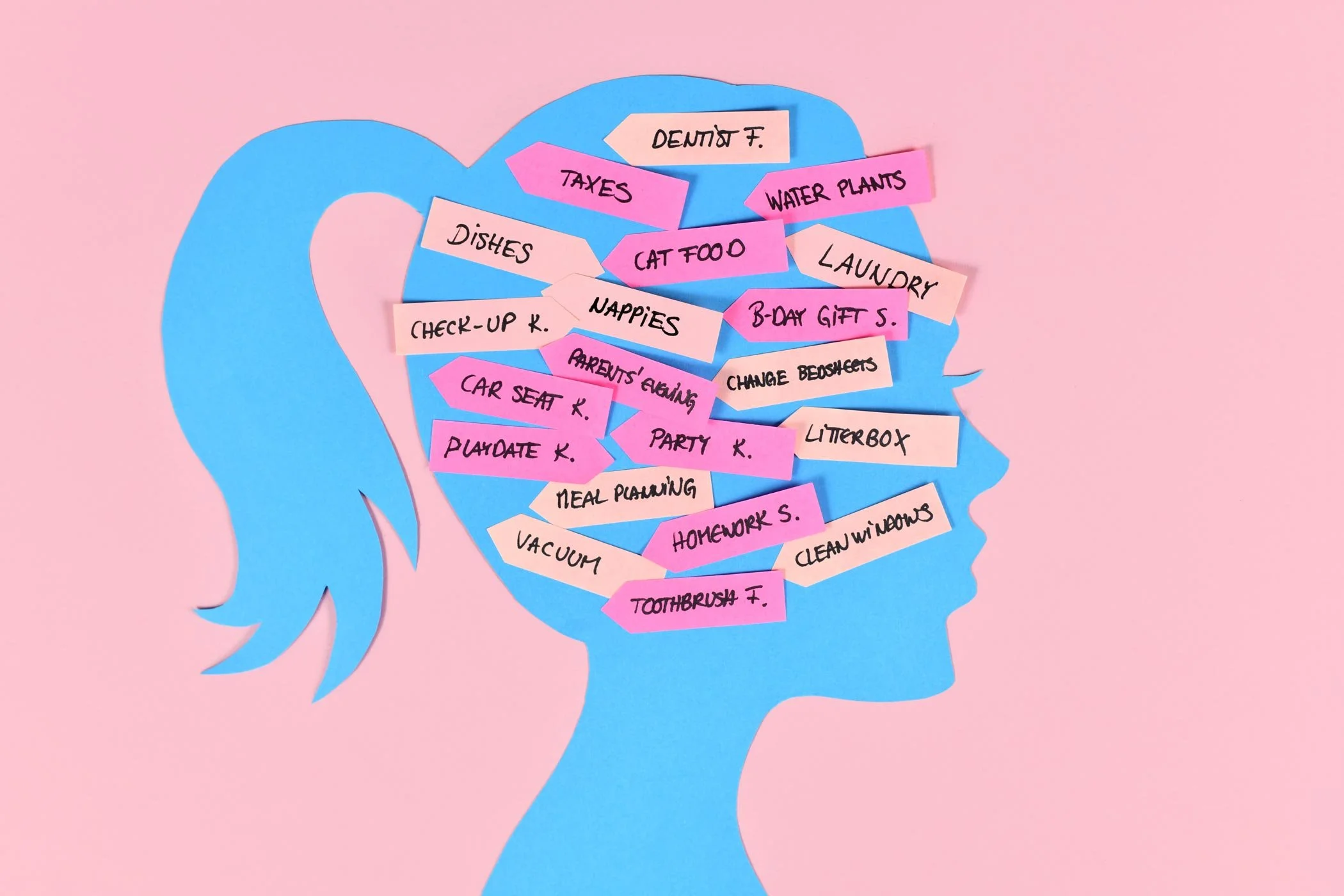
Remembering who needs another physio appointment, when you last visited relatives, making sure the school consent form has gone back, making sure there’s enough bread for lunch and knowing which bin is due out this evening: individually, these aren’t demanding tasks. But when they happen relentlessly, day in, day out, and rely solely on you and your brain to make them happen, it becomes exhausting.
This mental load – and the impact on your mental health – comes when you know that if you drop one of the balls you’re juggling, no-one will automatically swoop in to pick them up.
It’s a type of stress and pressure that is constant, and unlike a big project at work, there’s no end in sight. And no holidays.
It’s not just being ‘tired’ or about needing
to take a break.
The structure of our society means a large percentage of domestic labour and caregiving tasks fall on women. The imbalance in who takes maternity and paternity leave shows how early it starts for parents. And women are the ones who are – literally and metaphorically – left holding the baby, often with long term impacts to their career.
This is why the practical side of what I do is so important. Often, these are big conversations we need to have with our partner. They aren’t the enemy. We need to tackle these tricky topics and rebalance the load in a way that strengthens our relationships, rather than creating lasting tension.
As a clinical psychologist, I blend my experience in the mental load with practical tools and resources, helping you to navigate these changes with clarity and understanding.
What we’re talking about, in a snapshot
The terms might be new to you, but the feelings will be all too familiar.

Invisible Labour —
The unseen, generally unacknowledged, and unpaid work of managing a household and family, including the mental, emotional and organisational effort that happens in your head.

The Mental Load —
The pressure of feeling that everything that keeps the family running is on you, and generally you alone. The weight of the load is increased by the knowledge that missed tasks can create a ripple effect, increasing stress and adding to your mental load.

Burn Out —
Feelings of low energy, negative mindset, overwhelm, and poor mental and physical health associated with long-term stress. Clinically used in relation to workplace stress, but increasingly associated with caregiving.

A clinical psychologist who’s walked this path, too.
If there’s one thing I want women to know it’s that they aren’t alone in this struggle. It’s not just you – far from it.
In modern society, women are expected to carry so much of the caregiving and home tasks, alongside equally demanding jobs and careers. We’re the default, because even when our partners have the best intentions, societal structures are stacked against us.
I know, because I’ve walked that path, too. As a mother and a wife, a psychologist and business owner, I know how full life can feel when multiple roles demand your attention.
My own experiences motivated me to work with women, particularly working women, experiencing the burn out, overwhelm and mental health effects of the mental load and invisible labour. And because I’ve been there too, I won’t just suggest squeezing five minutes of self-care into your day or unrealistic ideas that add more pressure – I’m focused on evidence-based therapies and genuine, sustainable support.
How can seeing a clinical psychologist help?
As an experienced, clinical psychologist for women I can help you in two ways. First, by providing you with mental health care and evidence-based therapies and approaches that support your emotional and psychological wellbeing.
Then, we focus on rebalancing the mental load and invisible labour, using practical tools, tips and strategies. Underpinned by my experience in supporting children, adolescents, parents and families, I can guide you to work towards sustainable, meaningful change in your home and your relationship, so you – and your family – can work more collaboratively.
Telehealth psychology – care when time is precious
One of the key challenges for women in accessing a psychologist is finding time for themselves. It’s also one of the most effective ways to restore your mental health and stress resilience.
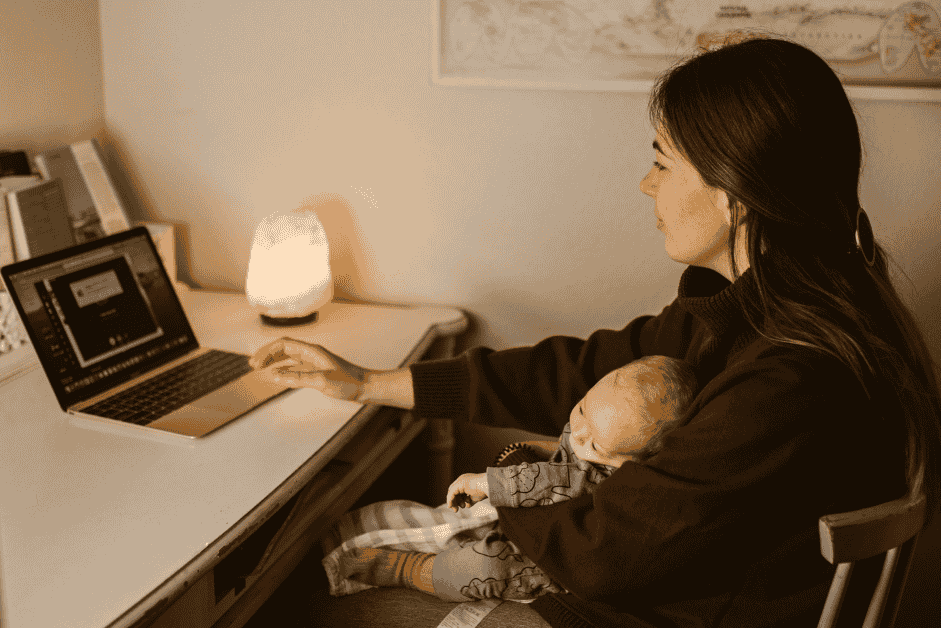
Telehealth psychology makes getting mental health support more accessible. Instead of interrupting your day and finding the time to travel to see your psychologist, it’s as simple as logging into Zoom.
For most people it’s equally as effective as seeing a psychologist in person. In fact, in many ways the flexibility of telehealth makes it easier to attend sessions regularly - supporting steady progress and keeping momentum going.
I’ve been seeing clients virtually for over five years, and I’m a strong advocate for telehealth services, particularly for women.
Latest insights
Views & psychology insights