
Why Women Carry the Mental Load| The Systems That Keep it Going
2 min read
If you’re a working mother and you’re the one the mental load falls on—my guess is that at some stage you’ve tried to shift the balance of household and kid responsibilities with your husband or partner and it hasn’t really changed.
You’re the one who continues to do most of the invisible work (the mental life admin): noticing, planning, remembering, organising, asking others to do things, following up when it’s not done, and managing other people’s well-being (emotional labour)—all the stuff that’s just normalised and expected of women.
Why ? How did this become the norm ?
Let’s Talk Systems
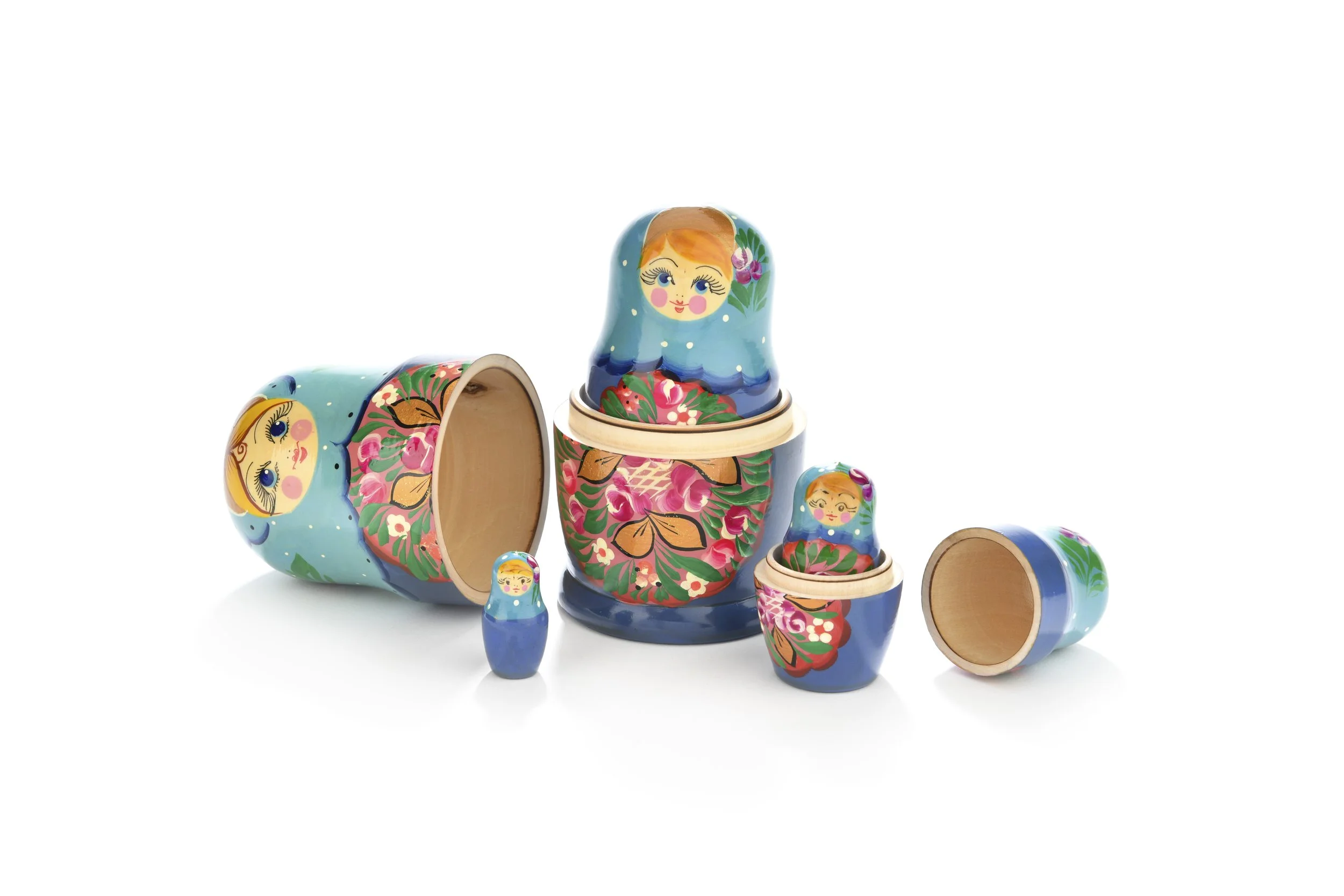
Firstly, know that we are living within systems that depend on our unpaid, invisible labour to keep everything running. Think of these systems like babushka dolls, nested one inside the other, which directly and indirectly influence why women in heterosexual relationships most often carry the mental load, even when both parents are working.
Cultural systems
Tell us what men and women ‘should’ do and make us believe certain tasks are better suited to women rather than men, and vice versa. This shapes how we act, what we do, and what’s expected of us.
Economic systems
When women take time away from work to care for children, it can have a long term effect on their earnings and career progression, this creates and reinforces a gap where fathers earn more or remain in less flexible roles. Even after women return to work—sometimes earning the same as or more than their partners—they often continue to take on the bulk of household and family responsibilities.
Workplace systems
That reward availability and flexibility often assume (understandably, given all the other systems and history at play) that someone else is handling the responsibilities, complications and everyday logistics of family life—so they can focus solely on work. That ‘someone else’ is you.
Home systems
Default to women as planners, rememberers, organisers and emotional regulators. Even when everyone ‘helps’ and even if husbands and partners do a lot of tasks at home, the invisible work still falls on women to keep life running smoothly
Intrapersonal systems
Refers to your internal world. Your thoughts, beliefs and feelings, shaping how you act and experience the mental load. This includes the added pressure you may place on yourself and/or the way you view and carry responsibilities day to day.
Each of these systems creates pressure and expectations that add to the mental load, contributing to ongoing stress and overload for women.
However, It’s not just women who feel trapped in these systems. Many men do to:
Many miss family life
Are stuck at work
Have rigid hours
Face pressure to be the ‘reliable one’ who prioritises work above all else.
Experience gendered workplace culture barriers when requesting flexible hours or parental leave
The result ?
The systems keep going and women feel at a loss for how to change the stress and mental load they carry.
Here’s the takeaway
Yes, you’re probably fed up.
But it’s not all doom and gloom—things at home can change.
Understanding the systems at play, from assumptions and expectations (yours and others) to deeply ingrained gender norms, can help explain why the mental load so often falls to women and give you greater clarity on what’s really driving it.

Remember, it’s not you against him.
It’s a ‘we’ living in these systems together.